Smart Routines: Why Traditional Reading Remains Essential in a Digital Era

In our fast-paced digital world of short videos and constant notifications, picking up a book feels like a quiet rebellion — and one of the best decisions you can make for your mind, mood, and future. Whether you love the feel of a physical paperback, the convenience of an e-reader, or the immersion of audiobooks, reading delivers proven benefits that go far beyond entertainment. It can reduce stress, sharpen your brain, boost empathy, and even help you live longer.
If you’ve been meaning to read more but keep putting it off, this article will show you why books are one of the most powerful (and enjoyable) investments in yourself.
The Remarkable History of Books: From Clay Tablets to Digital Pages
The story of books is the story of human progress. Around 3500 BCE in ancient Mesopotamia, the Sumerians created the earliest known “books” — clay tablets inscribed with cuneiform script, recording everything from laws to the Epic of Gilgamesh, one of the oldest surviving works of literature.
By 2400 BCE, Egyptians were using papyrus scrolls to document religious texts, medical knowledge, and stories. The transition to the codex (bound pages) happened in the Roman Empire around the 1st century CE, making texts far more practical and durable than scrolls.
A major breakthrough came in China during the Tang Dynasty, with the oldest known printed book — the Diamond Sutra — dating to 868 CE. Then, in the 1450s, Johannes Gutenberg’s movable-type printing press in Europe revolutionized everything. His famous Gutenberg Bible (1455) made books more affordable, fueling the Renaissance, the Reformation, and widespread literacy.
Today, we enjoy both beautiful physical books and digital formats, proving that the human love for stories and knowledge is truly timeless.

Science-Backed Benefits: How Reading Improves Your Health and Mind
Reading isn’t just enjoyable — it’s backed by solid research:
- Stress Reduction: A landmark 2009 study by the University of Sussex found that reading for just six minutes can reduce stress levels by up to 68% — more effective than listening to music, drinking tea, or taking a walk. It slows heart rate and relaxes muscles by engaging your imagination.
- Longer Life: A 2016 Yale University study of over 3,600 adults aged 50+ showed that book readers lived nearly two years longer on average than non-readers, with a 20% reduction in mortality risk over 12 years — even after adjusting for wealth, education, and health. The benefit was stronger for books than for newspapers or magazines.
- Brain Health & Cognitive Protection: Regular reading builds neural connections, improves memory, and can slow cognitive decline. Studies link it to a lower risk of Alzheimer’s and dementia, with benefits lasting days after finishing a book.
- Greater Empathy: Reading literary fiction enhances emotional intelligence. Research shows it improves our ability to understand others’ perspectives and feelings.
- Better Focus, Vocabulary & Sleep: Books train deep concentration (countering short attention spans from social media), expand vocabulary, and — when read before bed without screens — help you fall asleep faster.
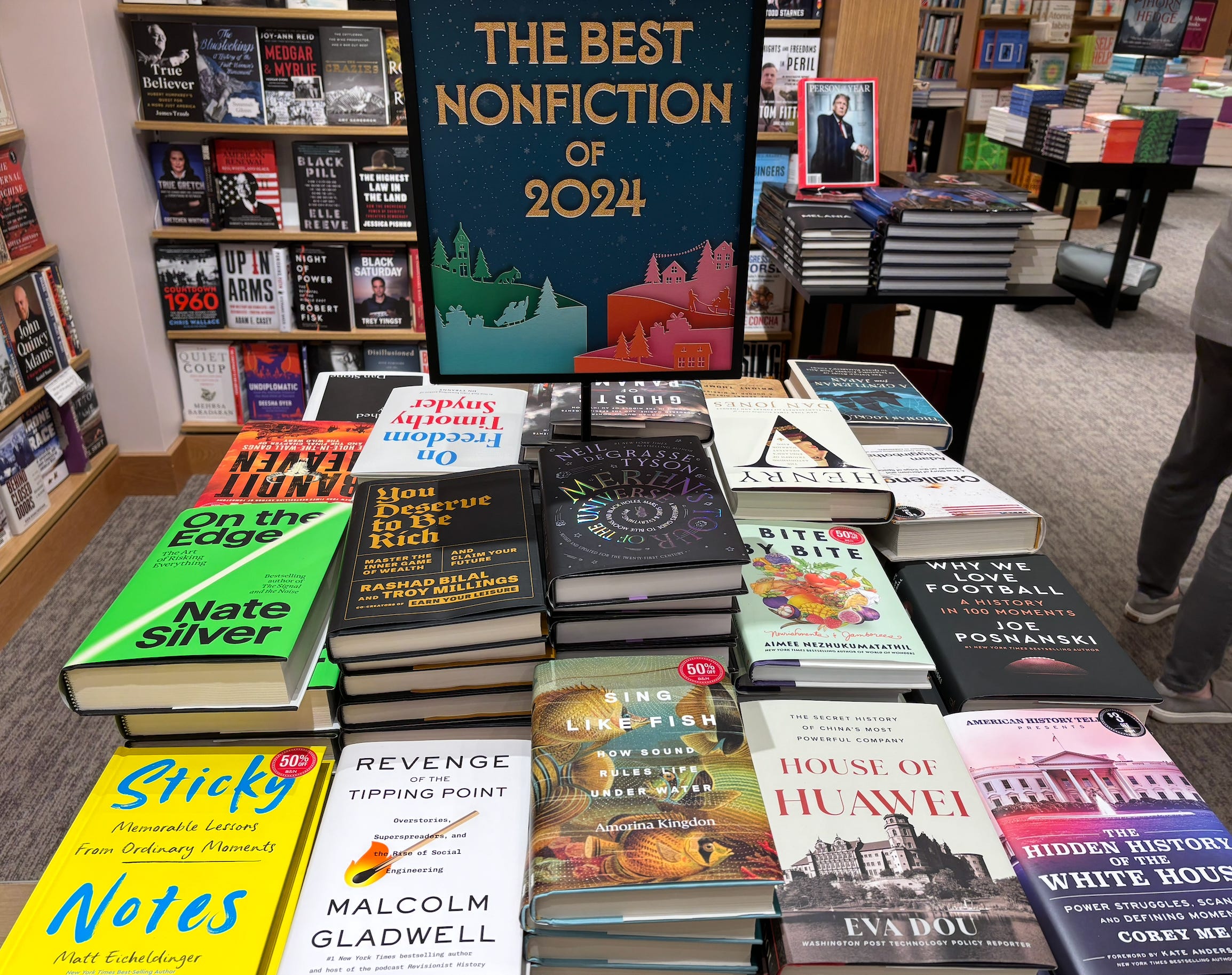
Must-Read Books That Have Shaped Lives and Culture
One of the joys of reading is discovering stories that stay with you forever. Here are some powerful, real recommendations across genres:
- Pride and Prejudice by Jane Austen (1813) — A witty classic exploring love, class, and personal growth that remains one of the most beloved novels ever written.
- To Kill a Mockingbird by Harper Lee (1960) — A profound story of justice, racism, and moral courage in the American South that continues to teach empathy.
- 1984 by George Orwell (1949) — A chilling dystopian warning about totalitarianism and truth that feels eerily relevant today.
- Man’s Search for Meaning by Viktor E. Frankl — Based on the author’s Holocaust experiences, this non-fiction work offers life-changing insights into finding purpose in suffering.
- The Great Gatsby by F. Scott Fitzgerald — A beautifully written exploration of the American Dream, love, and disillusionment.
- Sapiens by Yuval Noah Harari — A modern non-fiction bestseller that brilliantly explains the history of humankind in an engaging way.
Whether you prefer fiction that transports you or non-fiction that educates, there’s a book out there that can spark real change in your life.
Simple, Practical Tips to Build a Reading Habit That Lasts
- Start small: Just 15–20 minutes a day is enough to see benefits.
- Create a cozy reading corner with good lighting and minimal distractions.
- Use the “Rule of 50”: Stop a book after 50 pages if it’s not clicking — life’s too short for bad reads.
- Mix formats: Physical books for relaxation, audiobooks for commuting, e-readers for travel.
- Join a book club or use Goodreads to track progress and get recommendations.
- Set a theme: One classic per month or books from different cultures.
Why Books Matter More Than Ever Today
In an age of instant information, books offer depth, nuance, and sustained focus that short-form content rarely provides. Many successful people — from Bill Gates (who reads 50+ books a year) to historical figures — credit reading as a cornerstone of their growth. Books entertain, educate, connect us to other minds, and give us tools to navigate life better.

Ready to Start Your Own Reading Transformation?
The best part? You don’t need special skills or equipment — just curiosity and a little time. Your next great adventure, lesson, or moment of peace is waiting on the very first page.
Take action today: Visit your local bookstore or library, check bestseller lists, or search for one of the titles mentioned above. Even six minutes can make a difference — imagine what a full book could do!
What book has had the biggest impact on your life, or which one are you planning to read next? Share in the comments — you might inspire someone else to pick up a book and change their life for the better.
Happy reading!